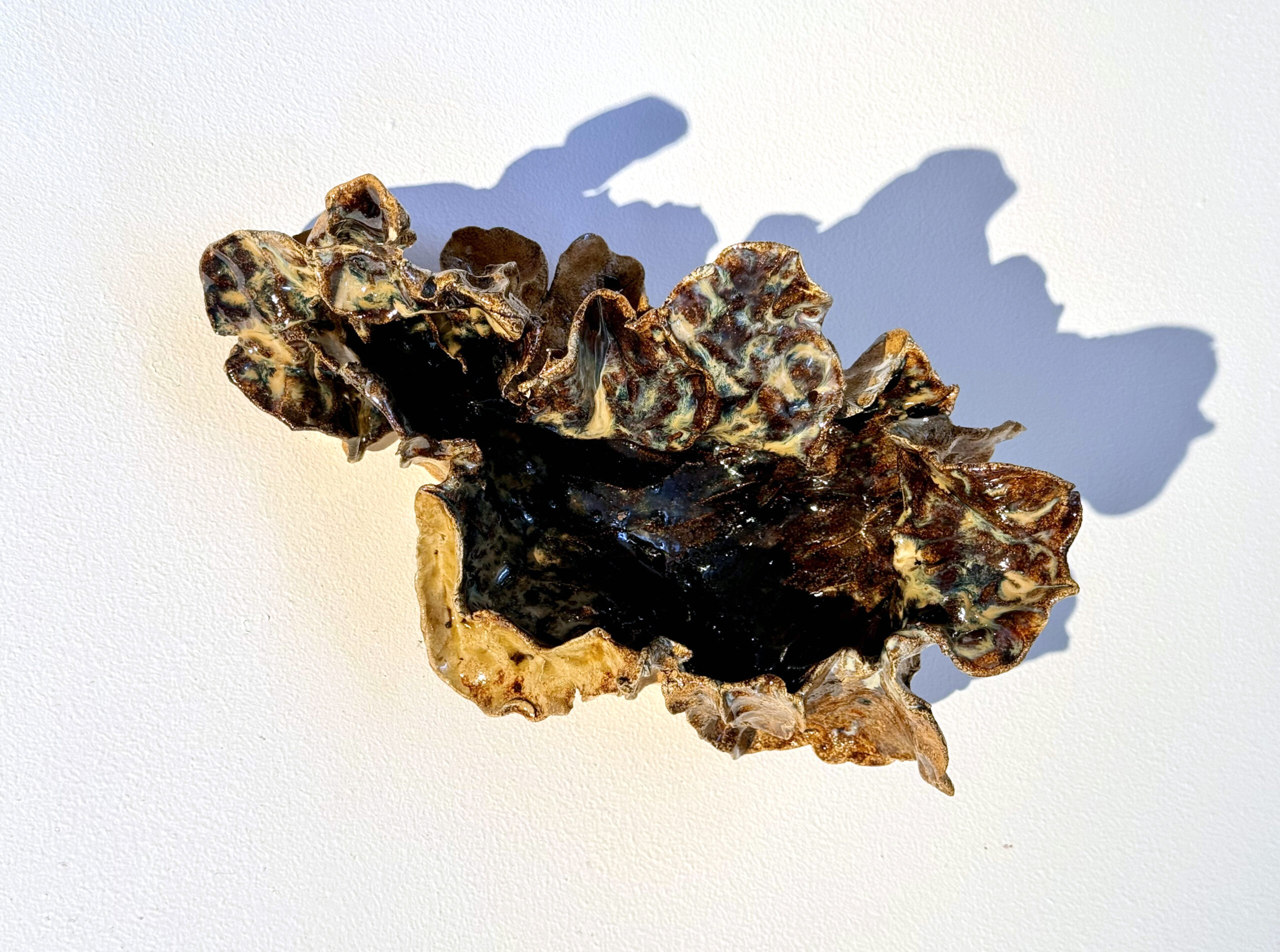
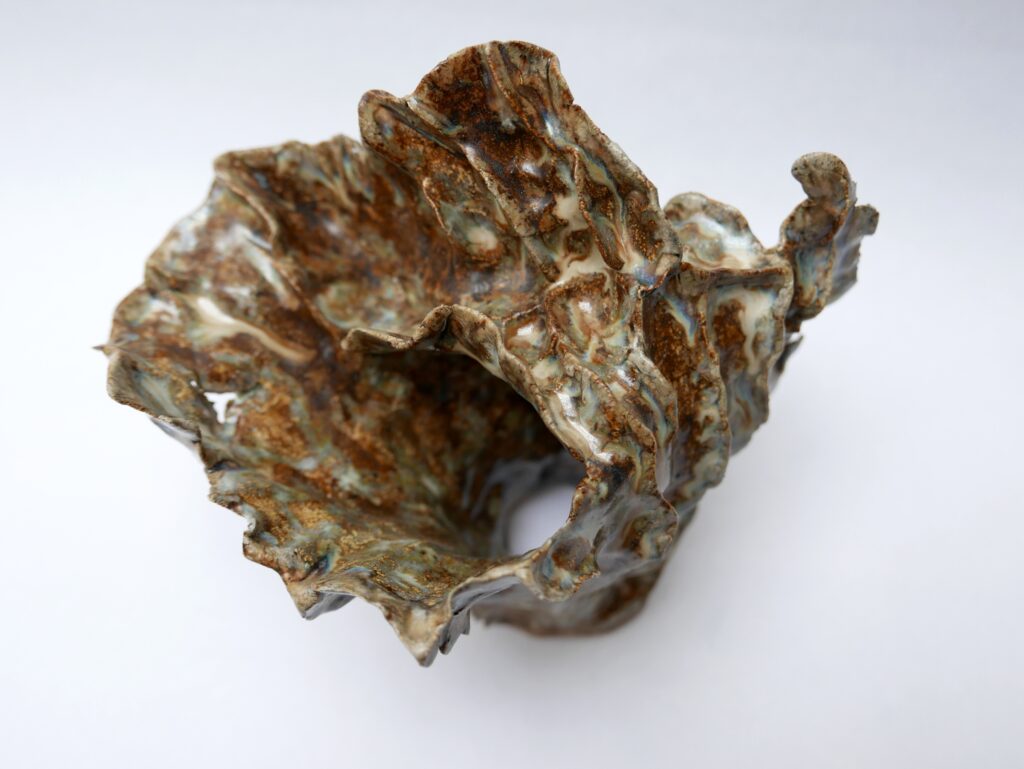
The following text was written in response to a series of ceramic vessels called Guaguas created in 2024, and is featured in an artist book containing drawings and photographs taken during travels to the island of Lanzarote with my children between 2019 and 2024.
The word guagua (wa-wa) is known to be used exclusively in The Canary Islands, situated off the northwest coast of Africa, and Cuba in the Caribbean. It is a noun, meaning ‘bus’, and officially replaces the latin-derived autobus typically used in mainland Spain and other Spanish-speaking countries. The Canary archipelago was the first land outside the geographical boundary of Europe to be colonised by Europeans in the 15th Century, becoming a kindergarten for the Western imperialism that ensued (Lindquist, 1996). Lanzarote was the first island to be colonised, wiping out the indigenous inhabitants – a Neolithic civilisation known as the Majos – in less than a century. Since this conquest, the islands have played a significant role in the exploration and colonisation of the New World and the Atlantic slave trade route, facilitating colonisation and capitalism across the world. There have been considerable migrations of Canarians to the Americas, usually due to drought, famine and volcanic eruptions. Migrations have been reciprocal from the Americas back across the Atlantic, and today The Canary Islands have a population with a substantial Latin American lineage. This is believed to be the reason why guagua is used in The Canary Islands, however, it’s etymology is still disputed. Here are some possible explanations:
Wagon (n) from Dutch wagen; cognate with Old English wægn ‘farm wagon’, meaning vehicle in English; from Latin vehiculum, from veh(ere) ‘to carry, convey, ride’.
Awawa (v) ‘to move quickly’ in Ngu language, spoken by African slaves in Cuba.
Guagua (n) ‘baby’ or ‘little child’ in Quechuan language, spoken in some parts of South America.
Guagua (adj) for ‘little, for nothing, for free’, spoken in Cuba (children are not charged for riding buses).
Wa & Wa Co. Inc (Washington & Walton Company Incorporated), an American transport company which manufactured some of the first passenger carriers in the 19th century in Cuba.
Guagua can also mean ‘a trivial matter’ in some parts of the Spanish-speaking world, and is a generic name for small insects that feast upon plants and citrus fruit.
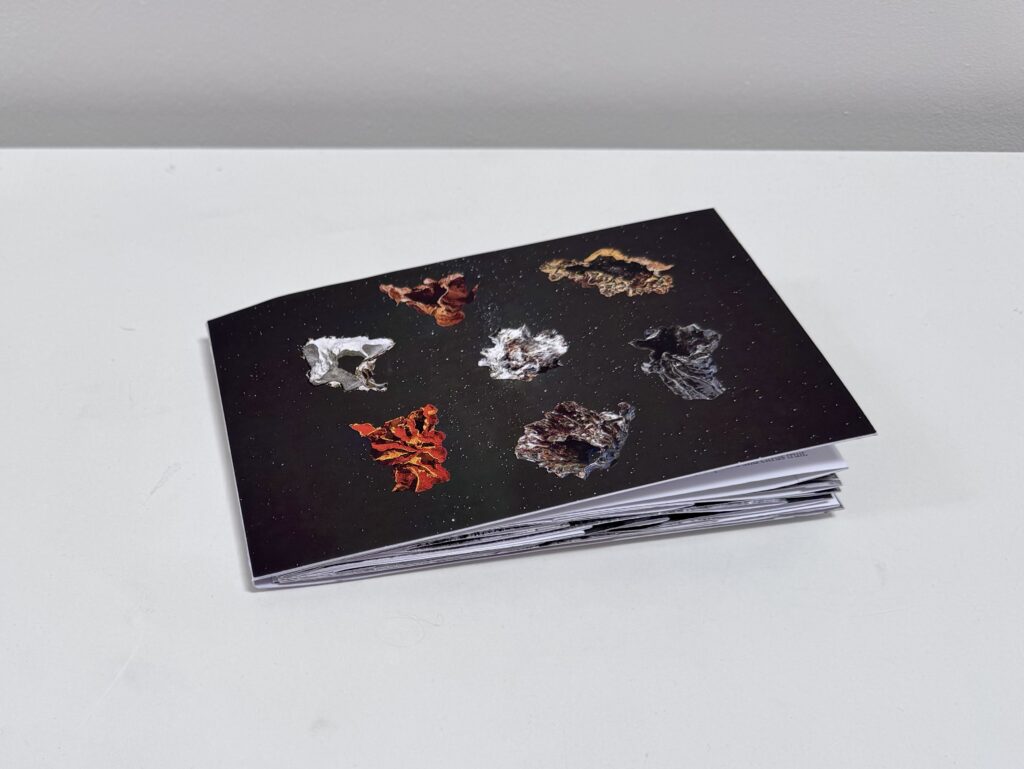
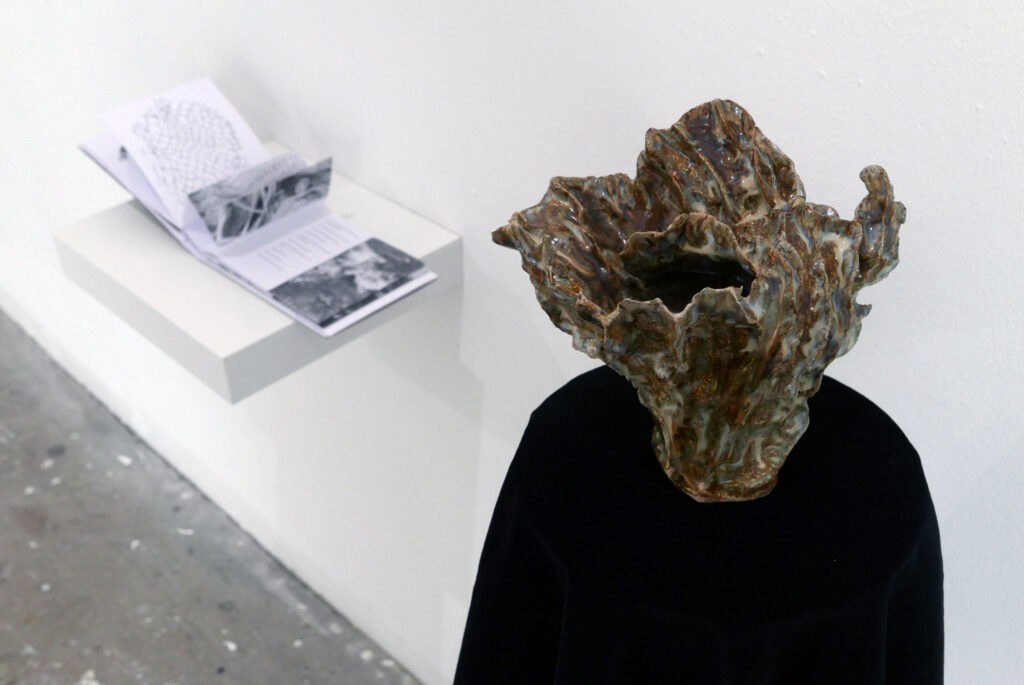
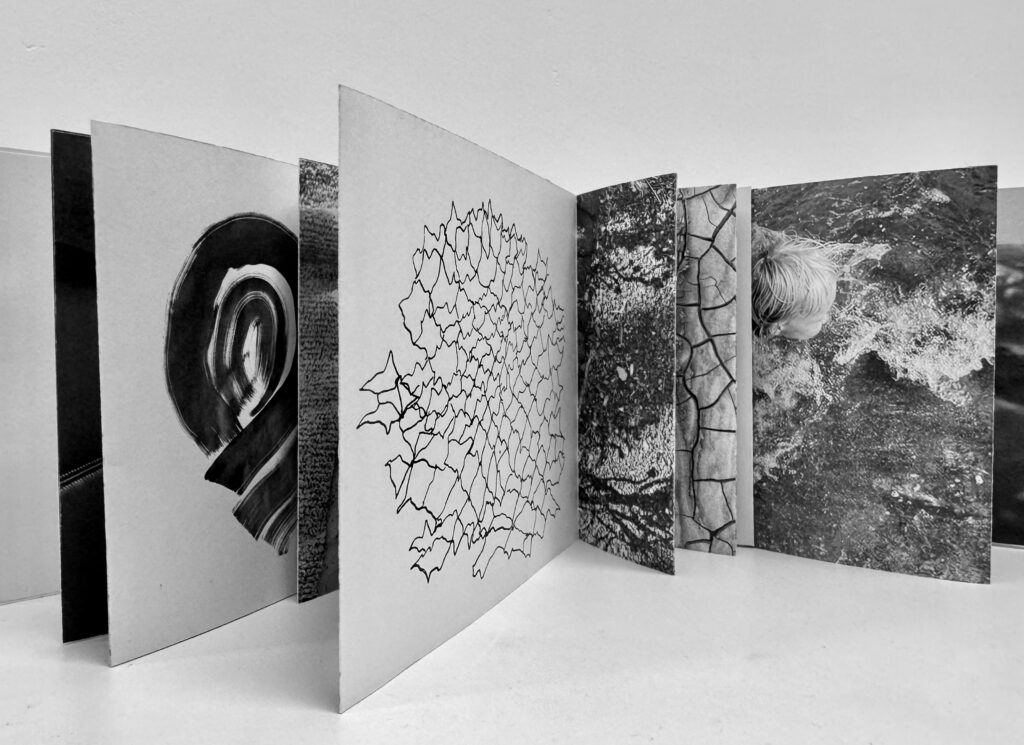
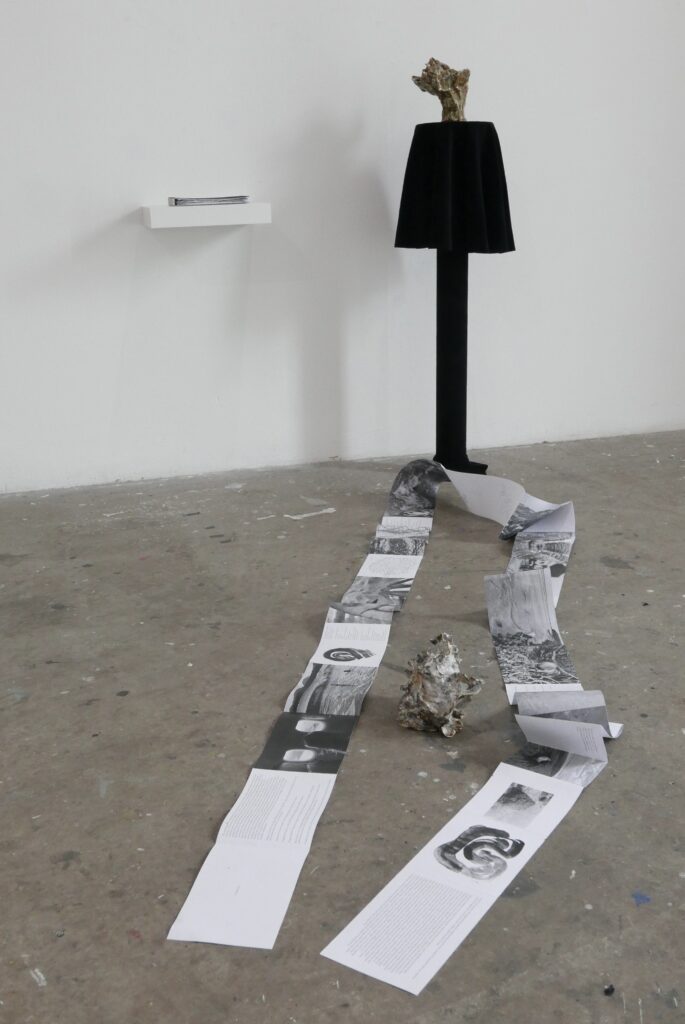
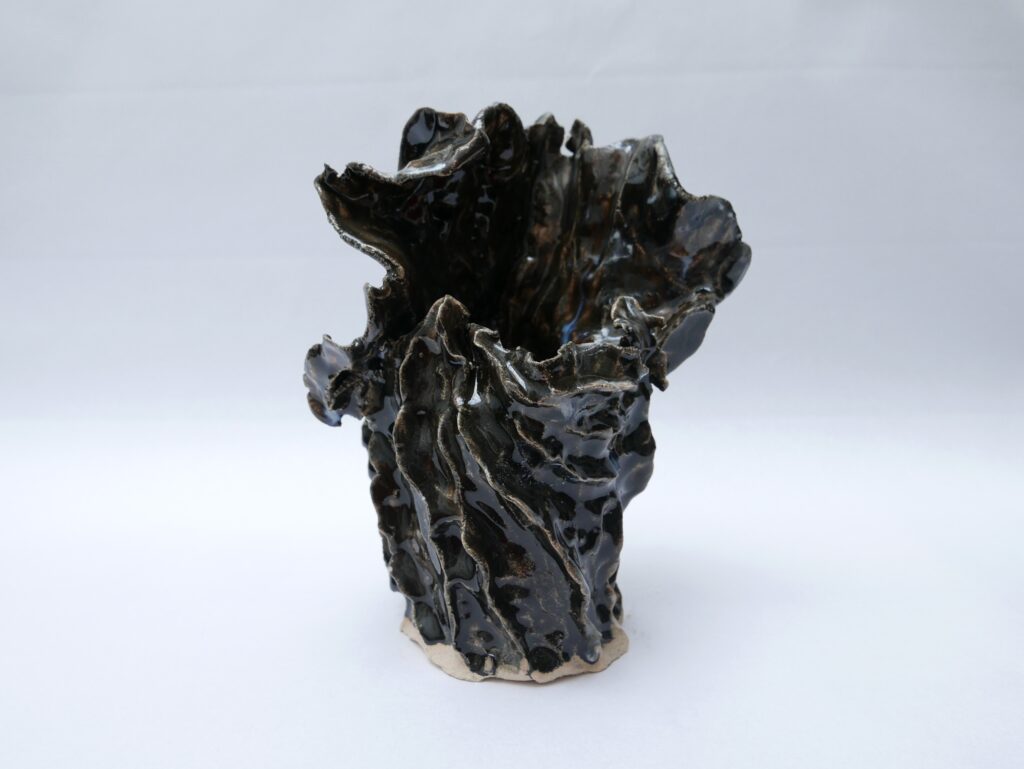
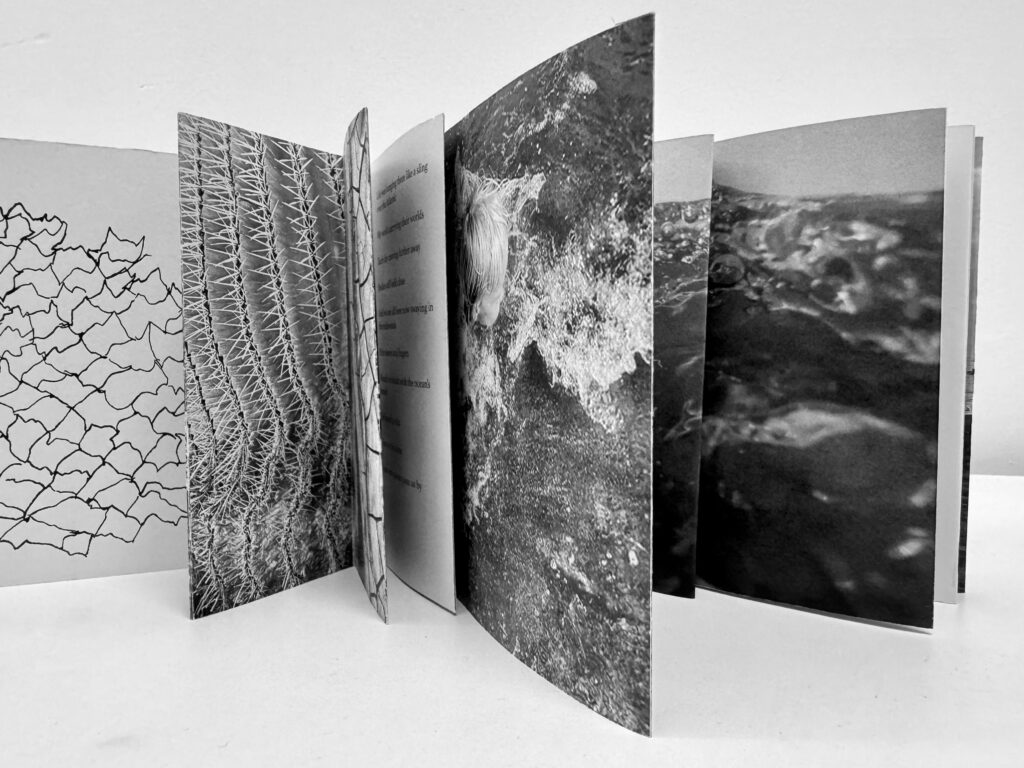
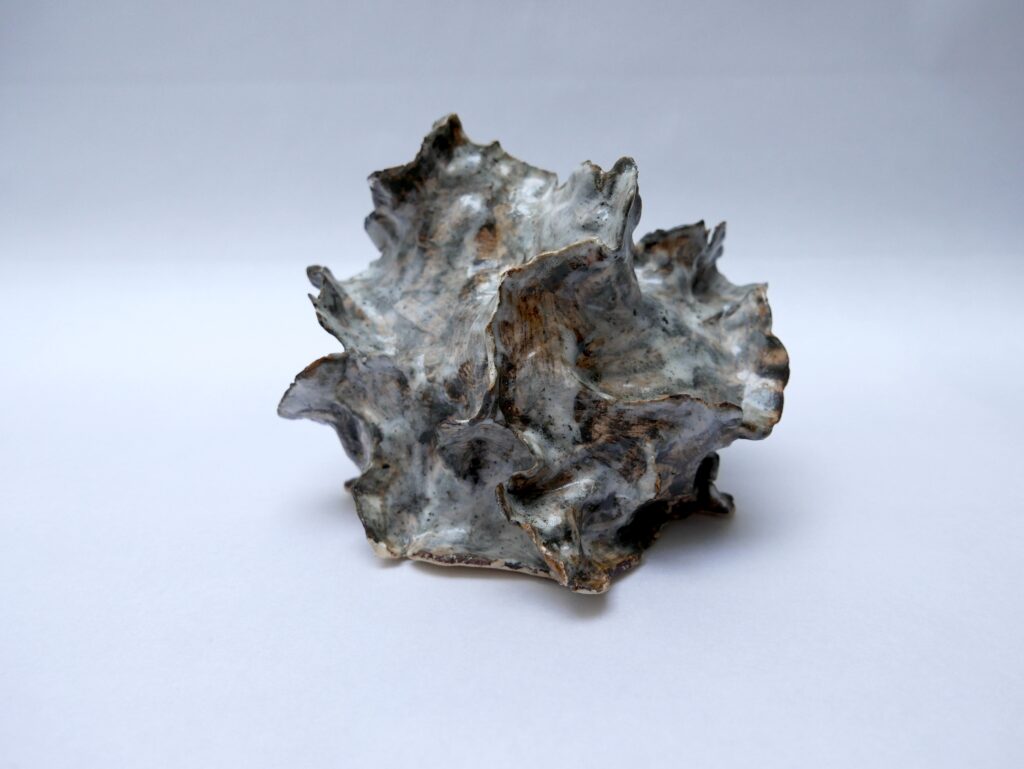
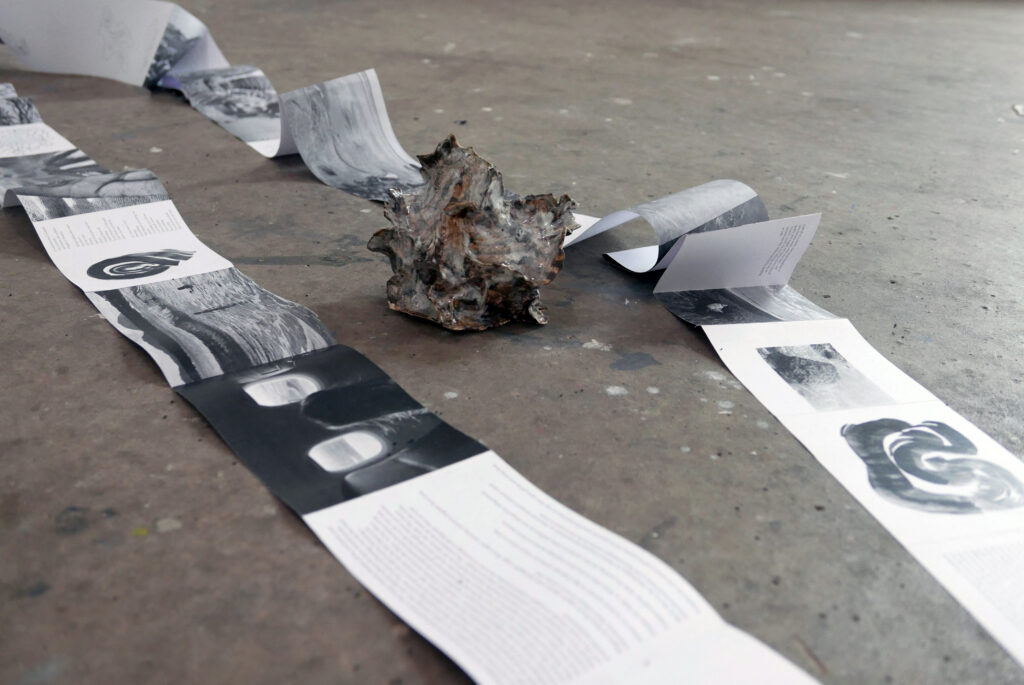
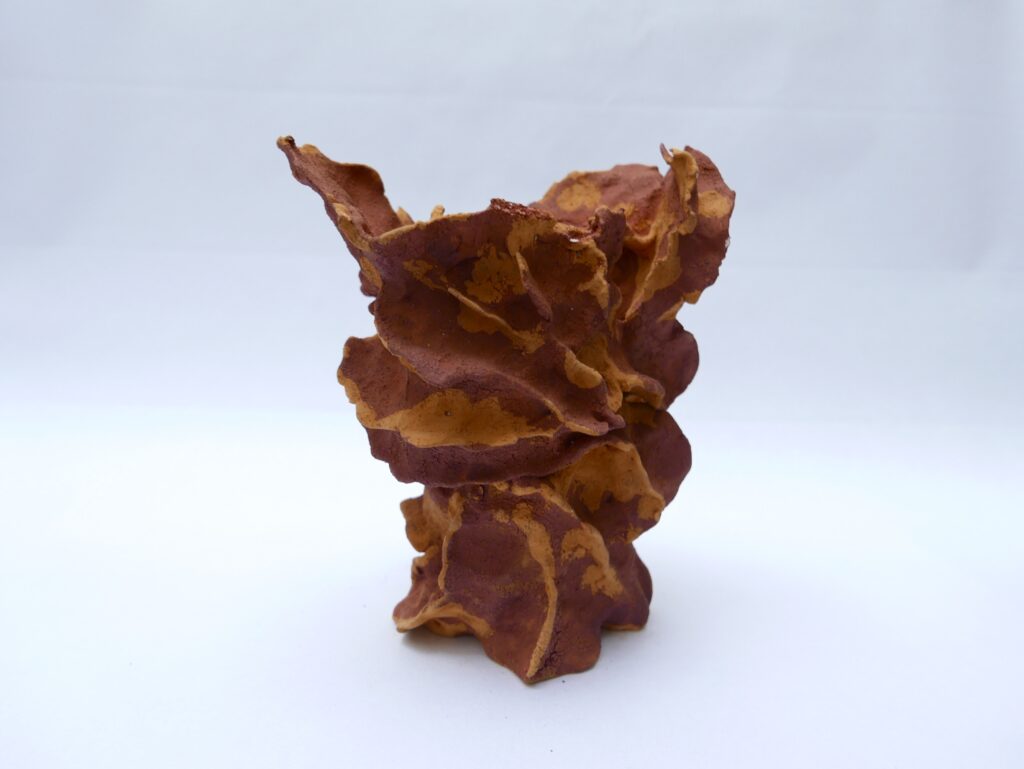
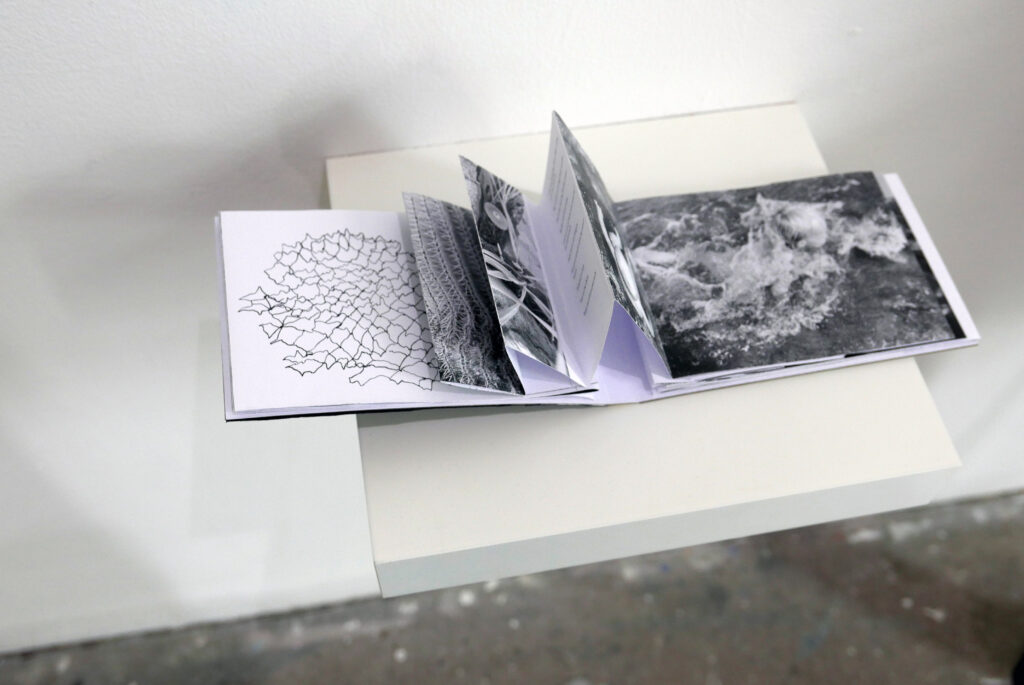
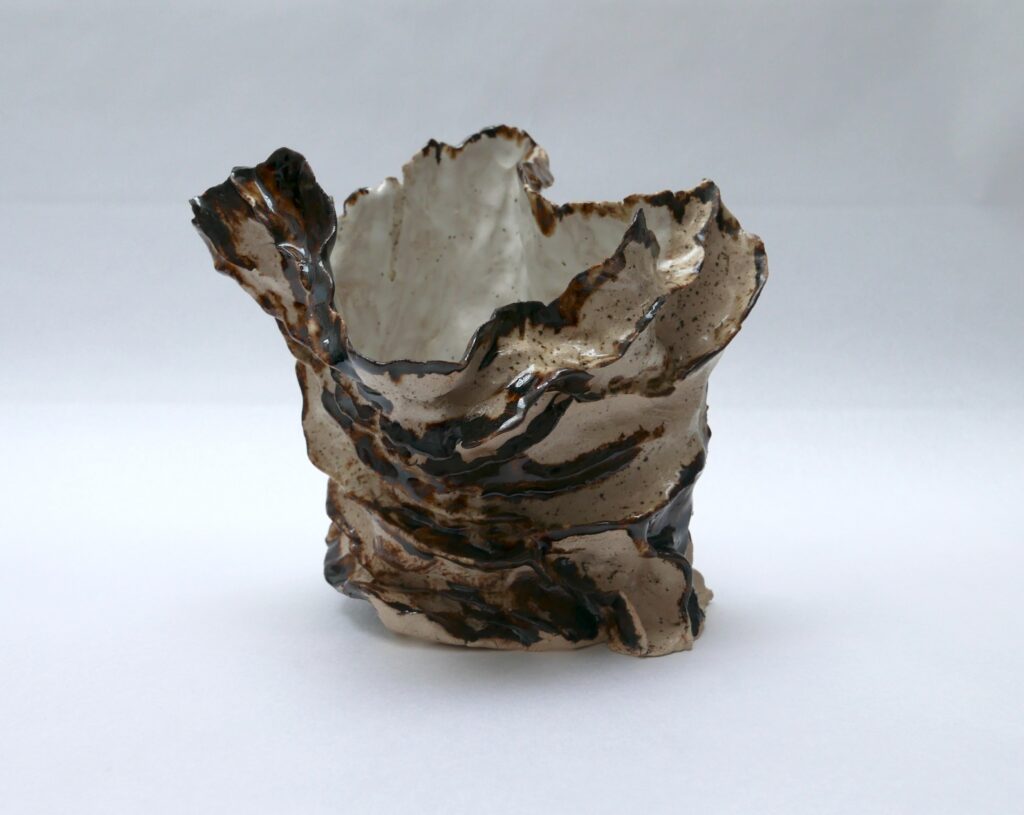
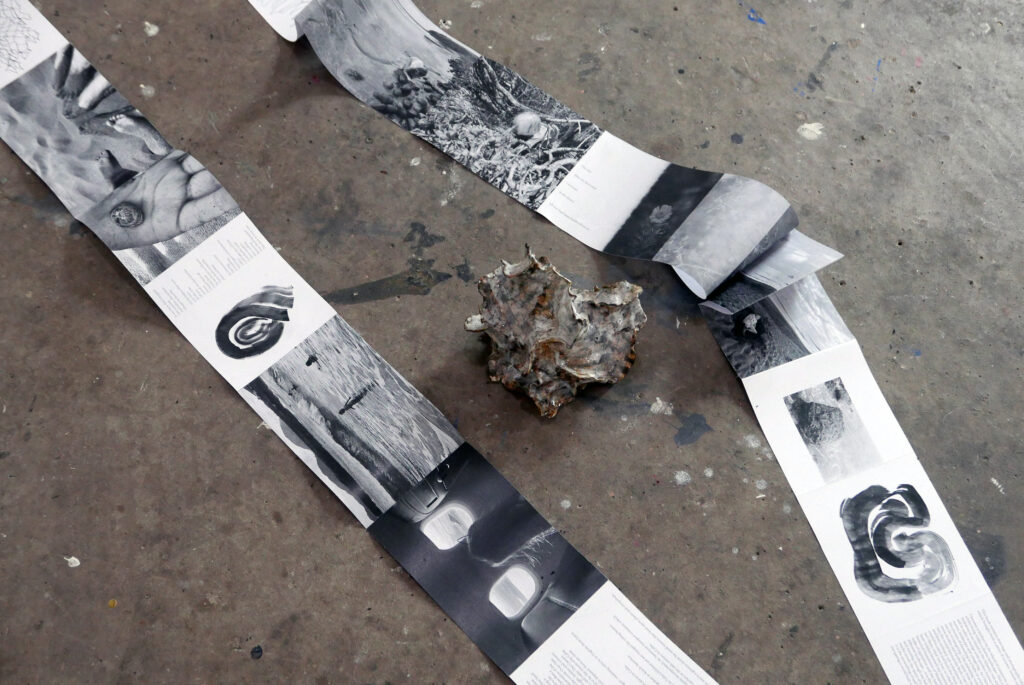
I became a mother on the island of Lanzarote, and for the first time began to carry something inside my body whilst living within a desert landscape. This journey, of becoming a migrating vessel from my homeland of West Yorkshire to an island in the Atlantic, was also the beginning of a state of transformation; the slow unraveling of self in order to merge with another human body. This has brought me to thinking about the relationship between matter, landscape and caregiving. As I handle the clay like the flesh of the land, I am re-performing or mirroring the process of attending to a baby or young child, experiencing the intimacy of touch and the continuous, cyclical nature of caregiving. Like pulsating, widening circles, as my children grow older we are beginning to gradually move further away from each other, sometimes returning back to intimacy before orbiting out again into the world beyond the flesh. I see the clay as the space between our bodies, a reification of maternal agency, and how intimacy can sometimes be pushed to its limits and collapse in destructive ways, before more space is created to catch and hold the chaos of the other. Sometimes these spaces in the vessels can also speak about what isn’t there, what was lost, or what failed. If I consider all the possible meanings of the word guagua, I find a deeper layer hidden beneath my maternal relationship with the landscape of Lanzarote, one that embodies a darker, historical foundation of Western imperialism and colonisation, of displacement and migration that is left in the wake of capitalism and the unfolding Anthropocene. Guagua is many things… it is the vehicle taking its traveller to a different landscape… it is the wa-wa-wah feeling of moving my body across a landscape… it is the wind wrapping and running through my hair… it is the waves carrying bodies across the Atlantic… it is coiling clay and making marks across the space of a page… it is my body as a house and vessel, carefully carrying a little baby in my arms… it is the unravelling of self for another body… and it is the corporate branding of a mode of transportation navigating a world built upon the exploitation of bodies and land as resources.
Clare – for info
This is an idea for displaying images rather than grids etc – you can annotate your thoughts onto them
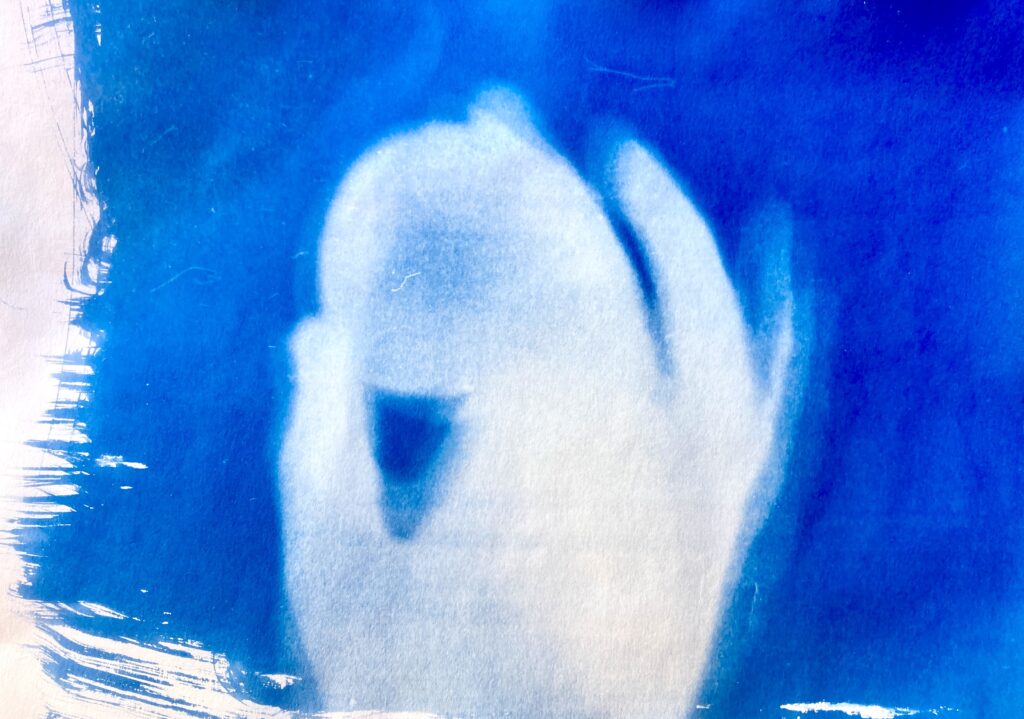
“This was one of my favourites”
Cyanotype
September 2023
“Working with Agency was the best decision – they didn’t just meet our goals, they redefined what was possible.”
Mandi Glacier
Director, Aspen
“The team at Agency brought creative excellence to our project, delivering a solution that continues to drive results.”
Marcus Gray
CEO, Oliphant

“Working with Agency was the best decision – they didn’t just meet our goals, they redefined what was possible.”
Aldo Rainn
CTO, Popfuzz
1000+text. We’ve shipped over a thousand completed projects with clients from all across the creative sphere.
200+ more text. We don’t just build experiences for startups, we’re also powering hundreds of enterprises worldwide.